
Government & AI Summit 2026
Agenda
Times are subject to change.
Pick up your badge, grab some breakfast and network with your peers!
Pick up your badge, grab some breakfast and network with your peers!
Welcome to Government & AI Summit!
Welcome to Government & AI Summit!

Frank Konkel
Editor-in-ChiefGovExec
In this opening keynote, Adam Starr will discuss how OPM is approaching AI adoption, from agency-wide initiatives and new tools to strategies for preparing the workforce and navigating rapidly evolving AI capabilities.
In this opening keynote, Adam Starr will discuss how OPM is approaching AI adoption, from agency-wide initiatives and new tools to strategies for preparing the workforce and navigating rapidly evolving AI capabilities.

Adam Starr
Chief Information Officer, Senior Advisor to the DirectorOPM
Frank Konkel
Editor-in-ChiefGovExec
In 2025 alone, there were $3.04B in losses due to BEC, and today's attacks are getting harder to spot. As threats evolve to mirror real conversations and blend into normal behavior patterns, traditional "known-bad" detection leaves organizations dangerously exposed. In this session, we'll explore why signature-based tools fail, how shifting to "known-normal" can transform your security posture, and where behavioral AI is headed next.
In 2025 alone, there were $3.04B in losses due to BEC, and today's attacks are getting harder to spot. As threats evolve to mirror real conversations and blend into normal behavior patterns, traditional "known-bad" detection leaves organizations dangerously exposed. In this session, we'll explore why signature-based tools fail, how shifting to "known-normal" can transform your security posture, and where behavioral AI is headed next.

Patricia Titus
Field Chief Information Security OfficerAbnormal AI
The next generation of government will be shaped by organizations that can adapt faster, make smarter decisions, and deliver mission outcomes in an increasingly complex world. AI is the critical enabler of that transformation, redefining how agencies work, secure their environment, and serve the public. This session will examine how agencies are already using AI agents to enhance workforce productivity, improve operational efficiency, and strengthen threat predictions.
The next generation of government will be shaped by organizations that can adapt faster, make smarter decisions, and deliver mission outcomes in an increasingly complex world. AI is the critical enabler of that transformation, redefining how agencies work, secure their environment, and serve the public. This session will examine how agencies are already using AI agents to enhance workforce productivity, improve operational efficiency, and strengthen threat predictions.

Katharyn White
Head of Marketing for Public Sector
Tim Hartman
Chief Executive OfficerGovExec
As AI becomes part of everyday government operations, federal CIOs are responsible for directing where it fits, how to deploy it safely and securely, and what agencies need to support long-term adoption. During this panel discussion, federal CIOs will discuss how their agencies are approaching AI, where they’re seeing the most impactful changes, and what they envision for the future of AI strategy in government.
As AI becomes part of everyday government operations, federal CIOs are responsible for directing where it fits, how to deploy it safely and securely, and what agencies need to support long-term adoption. During this panel discussion, federal CIOs will discuss how their agencies are approaching AI, where they’re seeing the most impactful changes, and what they envision for the future of AI strategy in government.

Dr. Darren Death
CISO, Chief Privacy Officer, Deputy CAIOExport-Import Bank

George Nicol
Deputy Program Director, Solutions for Enterprise-Wide Procurement (SEWP)NASA
Frank Konkel
Editor-in-ChiefGovExec
As demand for AI grows, agencies are looking for ways to balance performance, security, and cost. This session examines how Edge AI enables mission-critical outcomes by bringing data closer to users, devices, and operations, helping reduce latency, enhance data privacy, optimize cloud usage, and reduce cost.
As demand for AI grows, agencies are looking for ways to balance performance, security, and cost. This session examines how Edge AI enables mission-critical outcomes by bringing data closer to users, devices, and operations, helping reduce latency, enhance data privacy, optimize cloud usage, and reduce cost.

Tommy Gardner
Chief Technology OfficerHP Federal

Anna Pettyjohn
Executive Vice President, Product & StrategyGovExec
As federal agencies move from AI experimentation to implementation, one thing has become clear: AI can no longer sit outside the mission as a standalone tool. It must operate inside the decisions, services, and workflows that shape mission outcomes. This session will explore how agencies can operationalize secure, governed AI inside real mission operations. The discussion will focus on how connected systems, agentic workflows, human-in-the-loop oversight, and workforce readiness can help agencies accelerate decisions, improve service delivery, and deliver measurable outcomes with accountability.
As federal agencies move from AI experimentation to implementation, one thing has become clear: AI can no longer sit outside the mission as a standalone tool. It must operate inside the decisions, services, and workflows that shape mission outcomes. This session will explore how agencies can operationalize secure, governed AI inside real mission operations. The discussion will focus on how connected systems, agentic workflows, human-in-the-loop oversight, and workforce readiness can help agencies accelerate decisions, improve service delivery, and deliver measurable outcomes with accountability.

Kathleen Featheringham
Senior Vice President, AI Transformation & ExperienceMaximus

Iris Konstant
Editor of Branded ContentGovExec
NIST's benchmarks have helped government and industry measure the performance of technologies ranging from facial recognition to today’s generative AI systems. This conversation will explore the challenges of evaluating increasingly complex AI and how NIST’s new TEVV-Athlon Framework builds on that work to create a more effective approach to testing and evaluating modern AI systems.
NIST's benchmarks have helped government and industry measure the performance of technologies ranging from facial recognition to today’s generative AI systems. This conversation will explore the challenges of evaluating increasingly complex AI and how NIST’s new TEVV-Athlon Framework builds on that work to create a more effective approach to testing and evaluating modern AI systems.

Dr. P. Jonathon Phillips
Electronic EngineerNIST

Edward Graham
Managing EditorNextGov/FCW
The unlock isn't choosing between speed and safety, it's building a trust architecture that makes both measurable. This session reframes the CISO as the architect of AI trust, showing how converged data security and resilience give you the evidence to say yes where it's safe and no where it's not.
The unlock isn't choosing between speed and safety, it's building a trust architecture that makes both measurable. This session reframes the CISO as the architect of AI trust, showing how converged data security and resilience give you the evidence to say yes where it's safe and no where it's not.

Salim Ruffin
Senior Engineering Manager, FederalVeeam

Courtney O'Neal Allen
Executive Producer, GovExec TV & EventsGovExec
Government agencies need a repeatable foundation for AI without forcing every workload into the same design. The right partners, platform, and repeatable process can help move agencies from experimentation to supportable mission outcomes. HPE and NVIDIA will discuss how customized infrastructure and an accelerated AI platform can provide a consistent, governable foundation from edge systems to the data center, while allowing agencies to tailor mission data, models, retrieval, security, and operations.
Government agencies need a repeatable foundation for AI without forcing every workload into the same design. The right partners, platform, and repeatable process can help move agencies from experimentation to supportable mission outcomes. HPE and NVIDIA will discuss how customized infrastructure and an accelerated AI platform can provide a consistent, governable foundation from edge systems to the data center, while allowing agencies to tailor mission data, models, retrieval, security, and operations.

Jim Hoskins
Intelligence Community Chief Technologist OfficerHPE

Ryan Simpson
Chief Technologist, Public Sector PartnerNVIDIA
The U.S. Department of Agriculture has been expanding the use of AI across the agency through pilot programs and new initiatives. USDA will share how the agency has built its AI program, lessons learned from early pilots, and the challenges of scaling AI across different mission areas. The discussion will also explore why governance, security, and responsible implementation are just as important as the technology itself.
The U.S. Department of Agriculture has been expanding the use of AI across the agency through pilot programs and new initiatives. USDA will share how the agency has built its AI program, lessons learned from early pilots, and the challenges of scaling AI across different mission areas. The discussion will also explore why governance, security, and responsible implementation are just as important as the technology itself.

Rudolf Rojas
Information Technology ManagerUSDA
Edward Graham
Managing EditorNextGov/FCW
Explore how AI embedded directly into standard financial and procurement processes creates an evidence-driven system of outcomes for the agency.
Explore how AI embedded directly into standard financial and procurement processes creates an evidence-driven system of outcomes for the agency.

Andrea Greenleaf
Director, Solution Engineering, Oracle Government, Defense and IntelligenceOracle
Grab a bite and network with your peers!
Grab a bite and network with your peers!
As AI gives government new tools to detect and prevent fraud, it is also giving bad actors more sophisticated ways to exploit government systems. During this session, Chad Bungard of the Social Security Administration Office of the Inspector General will discuss how SSA is using AI to strengthen fraud detection and investigations, and what agencies need to do to govern these tools and stay ahead of emerging threats such as deepfakes, impersonation, and identity fraud.
As AI gives government new tools to detect and prevent fraud, it is also giving bad actors more sophisticated ways to exploit government systems. During this session, Chad Bungard of the Social Security Administration Office of the Inspector General will discuss how SSA is using AI to strengthen fraud detection and investigations, and what agencies need to do to govern these tools and stay ahead of emerging threats such as deepfakes, impersonation, and identity fraud.

Chad Bungard
Chief Strategy Officer, Office of the Inspector GeneralSocial Security Administration
Frank Konkel
Editor-in-ChiefGovExec
The AI Executive Order established the baseline policy—now, how do you translate mandates into operational success? Join Okta Federal Leader Amy Johanek and Head of Industry Product Nick Apostolu for a high-impact session on navigating the AI Innovation Executive Order. Discover how public sector agencies can safely scale secure AI deployments, transition to identity-centric authorization, and effectively govern autonomous agents using their existing identity infrastructure.
The AI Executive Order established the baseline policy—now, how do you translate mandates into operational success? Join Okta Federal Leader Amy Johanek and Head of Industry Product Nick Apostolu for a high-impact session on navigating the AI Innovation Executive Order. Discover how public sector agencies can safely scale secure AI deployments, transition to identity-centric authorization, and effectively govern autonomous agents using their existing identity infrastructure.

Nick Apostolu
Head of Industry ProductOkta

Amy Johanek
Vice President of FederalOkta
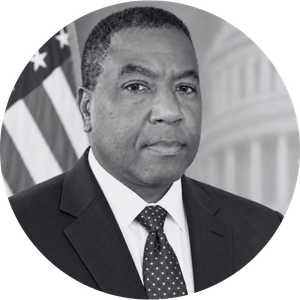

The rapid rise of artificial intelligence has changed how technology offices across government approach their work. During this session, technology leaders will share how their roles and priorities are evolving in the face of the new technology, and how they plan to use it to transform mission delivery.
The rapid rise of artificial intelligence has changed how technology offices across government approach their work. During this session, technology leaders will share how their roles and priorities are evolving in the face of the new technology, and how they plan to use it to transform mission delivery.
Kelvin Ruffin
Deputy Assistant Director, Office of Information Technology Chief Artificial Intelligence OfficerPretrial Services Agency for the District of Columbia
Dr. Justin Ubert
Director, Cyber ProtectionU.S. Department of Transportation

Commander Jonathan White
Cloud and Data Branch ChiefU.S. Coast Guard
Frank Konkel
Editor-in-ChiefGovExec
Thank You for Joining Us!
Thank You for Joining Us!
Frank Konkel
Editor-in-ChiefGovExec
Promo Image


HTML Content
LEARN MORE ABOUT sponsorship opportunities