
Register    ➤

WT Power Breakfast: Health IT: Trends, Opportunities and Market Leaders

7:30 AM EDT

1 HR
7:30 AM EDT 1 HR

Registration & Networking

8:30 AM EDT

5 MINS
8:30 AM EDT 5 MINS

Opening Remarks

Nick Wakeman
Nick Wakeman
Editor-in-Chief
Washington Technology
Nick Wakeman
Nick Wakeman
Editor-in-Chief
Washington Technology
Nick Wakeman
Nick Wakeman
Editor-in-Chief
Washington Technology

8:35 AM EDT

40 MINS
8:35 AM EDT 40 MINS

The Back-Office Health IT Opportunity: Where Agencies are Investing Next & Fighting Health Fraud at Scale: How CMS is Putting Data and Technology to Work ON DEMAND
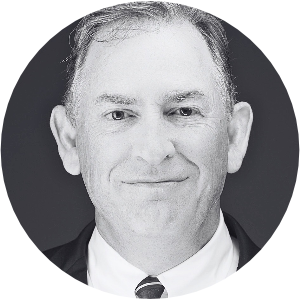
Larry Young
Larry Young
Deputy Director, Office of Financial Management
Centers for Medicare & Medicaid Services
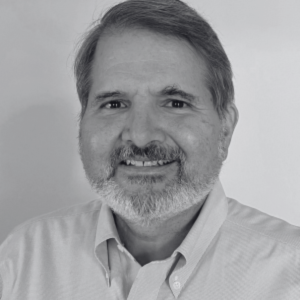
Nick Wakeman
Nick Wakeman
Editor-in-Chief
Washington Technology

Behind every health care mission is a massive enterprise IT operation. Agencies like the VA, DHA and CMS are continually modernizing the systems that keep those missions running. From financial management and HR to procurement, records and compliance, these back-office environments represent some of the federal government's largest and most complex technology footprints. This session will examine where agencies are investing today, where legacy systems are creating new modernization needs, and what emerging opportunities could be next for industry.

Read More
Larry Young
Larry Young
Deputy Director, Office of Financial Management
Centers for Medicare & Medicaid Services
Nick Wakeman
Nick Wakeman
Editor-in-Chief
Washington Technology

Behind every health care mission is a massive enterprise IT operation. Agencies like the VA, DHA and CMS are continually modernizing the systems that keep those missions running. From financial management and HR to procurement, records and compliance, these back-office environments represent some of the federal government's largest and most complex technology footprints. This session will examine where agencies are investing today, where legacy systems are creating new modernization needs, and what emerging opportunities could be next for industry.


Fraud, waste and abuse cost the health care system billions of dollars, making program integrity a critical mission, and a growing technology challenge. The Centers for Medicare and Medicaid Services is turning to data, analytics, automation and other tools to identify suspicious activity, uncover vulnerabilities and protect taxpayer dollars. This session will take a closer look at the threats CMS is seeing today, how the agency is using technology to detect and prevent fraud, and where new capabilities could strengthen its program integrity mission.

Behind every health care mission is a massive enterprise IT operation. Agencies like the VA, DHA and CMS are continually modernizing the systems that keep those missions running. From financial management and HR to procurement, records and compliance, these back-office environments represent some of the federal government's largest and most complex technology footprints. This session will examine where agencies are investing today, where legacy systems are creating new modernization needs, and what emerging opportunities could be next for industry.

Read More
Larry Young
Larry Young
Deputy Director, Office of Financial Management
Centers for Medicare & Medicaid Services
Nick Wakeman
Nick Wakeman
Editor-in-Chief
Washington Technology

Behind every health care mission is a massive enterprise IT operation. Agencies like the VA, DHA and CMS are continually modernizing the systems that keep those missions running. From financial management and HR to procurement, records and compliance, these back-office environments represent some of the federal government's largest and most complex technology footprints. This session will examine where agencies are investing today, where legacy systems are creating new modernization needs, and what emerging opportunities could be next for industry.


Fraud, waste and abuse cost the health care system billions of dollars, making program integrity a critical mission, and a growing technology challenge. The Centers for Medicare and Medicaid Services is turning to data, analytics, automation and other tools to identify suspicious activity, uncover vulnerabilities and protect taxpayer dollars. This session will take a closer look at the threats CMS is seeing today, how the agency is using technology to detect and prevent fraud, and where new capabilities could strengthen its program integrity mission.

9:15 AM EDT

25 MINS
9:15 AM EDT 25 MINS

How to Win at the VA: Straight Talk from the Small Business Office ON DEMAND
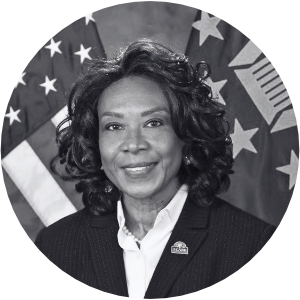
Chanel Bankston-Carter
Executive Director, Office of Small and Disadvantaged Business Utilization
U.S. Department of Veterans Affairs
Nick Wakeman
Nick Wakeman
Editor-in-Chief
Washington Technology

The small business market is changing fast, and the VA is one of the agencies small firms watch most closely. During this conversation, Chanel Bankston-Carter, Executive Director of the VA’s Office of Small and Disadvantaged Business Utilization, will explain how the department’s small business programs work today, where the VA stands on its goals, and which upcoming opportunities companies should be tracking. Bankston-Carter, an Army veteran with more than a decade in VA leadership roles, will share what the VA looks for when evaluating companies, how to connect your capabilities to the VA’s actual mission needs, and what separates a productive meeting with her office from a wasted one. She’ll also cover the most common mistakes small businesses make, how to prepare and follow up, and where teaming and subcontracting fit into the VA’s strategy.

The small business market is changing fast, and the VA is one of the agencies small firms watch most closely. During this conversation, Chanel Bankston-Carter, Executive Director of the VA’s Office of Small and Disadvantaged Business Utilization, will explain how the department’s small business programs work today, where the VA stands on its goals, and which upcoming opportunities companies should be tracking. Bankston-Carter, an Army veteran with more than a decade in VA leadership roles, will share what the VA looks for when evaluating companies, how to connect your capabilities to the VA’s actual mission needs, and what separates a productive meeting with her office from a wasted one. She’ll also cover the most common mistakes small businesses make, how to prepare and follow up, and where teaming and subcontracting fit into the VA’s strategy.

Chanel Bankston-Carter
Executive Director, Office of Small and Disadvantaged Business Utilization
U.S. Department of Veterans Affairs
Nick Wakeman
Nick Wakeman
Editor-in-Chief
Washington Technology

The small business market is changing fast, and the VA is one of the agencies small firms watch most closely. During this conversation, Chanel Bankston-Carter, Executive Director of the VA’s Office of Small and Disadvantaged Business Utilization, will explain how the department’s small business programs work today, where the VA stands on its goals, and which upcoming opportunities companies should be tracking. Bankston-Carter, an Army veteran with more than a decade in VA leadership roles, will share what the VA looks for when evaluating companies, how to connect your capabilities to the VA’s actual mission needs, and what separates a productive meeting with her office from a wasted one. She’ll also cover the most common mistakes small businesses make, how to prepare and follow up, and where teaming and subcontracting fit into the VA’s strategy.

9:40 AM EDT

20 MINS
9:40 AM EDT 20 MINS

The Next Frontier of Health IT: AI, Digital Health and More ON DEMAND
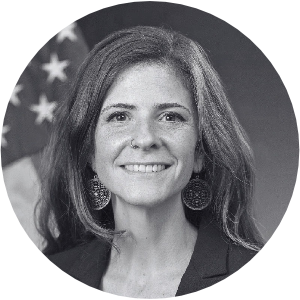
Tiffany Prest
Tiffany Prest
Director, Scalable Solutions
ARPA-H (the Advanced Research Projects Agency for Health)
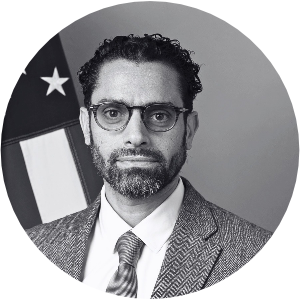
Hussein Ezzeldin
Hussein Ezzeldin
Director, Division of Artificial Intelligence, Office of Innovation and Clinical Trial Modernization at the Office of Medical Policy (OMP)
FDA
Nick Wakeman
Nick Wakeman
Editor-in-Chief
Washington Technology

Health care technology is moving beyond incremental modernization. Advances in AI, digital health, medical devices, imaging and drug development are changing how research is conducted, how products reach patients and how care is delivered. This forward-looking conversation will explore the technologies gaining traction across federal health agencies, where government leaders see the greatest potential, and how emerging capabilities could reshape the health care landscape and the market opportunities around it.

Tiffany Prest
Tiffany Prest
Director, Scalable Solutions
ARPA-H (the Advanced Research Projects Agency for Health)
Hussein Ezzeldin
Hussein Ezzeldin
Director, Division of Artificial Intelligence, Office of Innovation and Clinical Trial Modernization at the Office of Medical Policy (OMP)
FDA
Nick Wakeman
Nick Wakeman
Editor-in-Chief
Washington Technology

Health care technology is moving beyond incremental modernization. Advances in AI, digital health, medical devices, imaging and drug development are changing how research is conducted, how products reach patients and how care is delivered. This forward-looking conversation will explore the technologies gaining traction across federal health agencies, where government leaders see the greatest potential, and how emerging capabilities could reshape the health care landscape and the market opportunities around it.

Health care technology is moving beyond incremental modernization. Advances in AI, digital health, medical devices, imaging and drug development are changing how research is conducted, how products reach patients and how care is delivered. This forward-looking conversation will explore the technologies gaining traction across federal health agencies, where government leaders see the greatest potential, and how emerging capabilities could reshape the health care landscape and the market opportunities around it.

Tiffany Prest
Tiffany Prest
Director, Scalable Solutions
ARPA-H (the Advanced Research Projects Agency for Health)
Hussein Ezzeldin
Hussein Ezzeldin
Director, Division of Artificial Intelligence, Office of Innovation and Clinical Trial Modernization at the Office of Medical Policy (OMP)
FDA
Nick Wakeman
Nick Wakeman
Editor-in-Chief
Washington Technology

Health care technology is moving beyond incremental modernization. Advances in AI, digital health, medical devices, imaging and drug development are changing how research is conducted, how products reach patients and how care is delivered. This forward-looking conversation will explore the technologies gaining traction across federal health agencies, where government leaders see the greatest potential, and how emerging capabilities could reshape the health care landscape and the market opportunities around it.

10 AM EDT

5 MINS
10 AM EDT 5 MINS

Closing Remarks

Nick Wakeman
Nick Wakeman
Editor-in-Chief
Washington Technology
Nick Wakeman
Nick Wakeman
Editor-in-Chief
Washington Technology
Nick Wakeman
Nick Wakeman
Editor-in-Chief
Washington Technology